INSIGHTS

2026 brings another wave of trade shows where overseas brands can meet Japanese retail buyers directly: JAPAN OUTDOOR GEAR SUMMIT (October 14–15, Niigata) and the Camp & Glamping Expo (November 25–27, Tokyo Big Sight), among others. For brands considering entry into the Japanese market, these events are often the first real point of contact with distributors and retail buyers.
The real barrier a new brand faces at a trade show often has little to do with product quality. Most buyers walk the floor to check whether their existing suppliers have launched anything new — not to actively look for new vendors to take on. Opening a new account requires an internal approval process, and the buyer championing it is personally on the hook if the new brand underperforms. Staying with a proven, trusted brand is simply the more defensible risk decision for them. The result: being a new entrant raises the barrier to entry regardless of how good the product actually is.
Clearing that bar takes the exhibitor bringing something buyers don't expect from a routine new-vendor pitch: genuine passion for their own product, deep command of its details, and — just as important — real fluency in the competing products on the market, matching or exceeding what the buyer already knows. That depth on competitors' products in particular is something I paid close attention to myself, back when I was on the brand side. Buyers tend to assume brand reps can talk about their own product all day but go blank the moment a competitor's product comes up. I know because I've been on the other side of that conversation too — as a buyer sourcing product myself, that's exactly how I read most brand reps I met on a show floor.
That's why what you demonstrate in conversation is what decides the outcome. Only once a buyer sees that depth does the pitch stop registering as just another routine new-vendor case, and start registering as something worth actually listening to.
The first question is what you want the booth itself to say. I believe the concept a brand was built on should be carried through without exception. Bend that foundation and the branding itself starts to drift — getting this wrong matters. Even if a brand has a single best-selling item or category, leaning on it too heavily eventually pulls the branding away from what headquarters originally built, and the market can end up losing interest before anyone notices it happening.
So even when the category you want to sell differs from what headquarters focuses on, or Japan calls for reaching a different tier of the market than the brand's home market does, the place to translate the brand concept for Japan is the negotiating table — not the booth. The booth itself should stay locked onto the original target customer the product was designed for; trying to appeal to the broadest possible cross-section of visitors just dilutes the core message until it's memorable to no one.
On top of that, arrange booth visit appointments before the show starts wherever possible. Without a direct connection, an introduction through an existing industry relationship works too — for example, a manufacturer launching its own house brand might have its existing OEM sales contact introduce relevant buyers. That kind of groundwork is what makes the most of a show's limited hours.
Beyond that, buyers tend to fall into a few recognizable types: those for whom wholesale terms alone decide whether they'll carry a brand, those building differentiation through a distinctive merchandising strategy, and those who won't bring in anything without an established market track record. Whether you've prepared tailored responses for each of these scenarios in advance directly affects the odds of the conversation turning into a real follow-up meeting.
A trade show isn't just an event — it's the entry point to an ongoing process that includes customer development, distributor selection, and terms negotiation. That's exactly why a new entrant with no track record needs a precise logic tailored to each type of buyer to actually get anywhere. For a buyer chasing differentiation through merchandising, show concretely what new revenue carrying the brand would bring to their stores. For a more risk-averse buyer who leans on track record, build a convincing story for how that differentiation will actually land in the market. From my own time on the buying side, what that kind of buyer wants isn't optimism — it's something concrete enough to base a decision on. No brand gets discovered just by showing up if nobody already knows the name. The real work starts before you decide whether to exhibit at all: figuring out which buyer type you're talking to, and exactly what they should walk away with. Designing that negotiation scenario down to the detail is what will actually decide who wins at the 2026 shows.
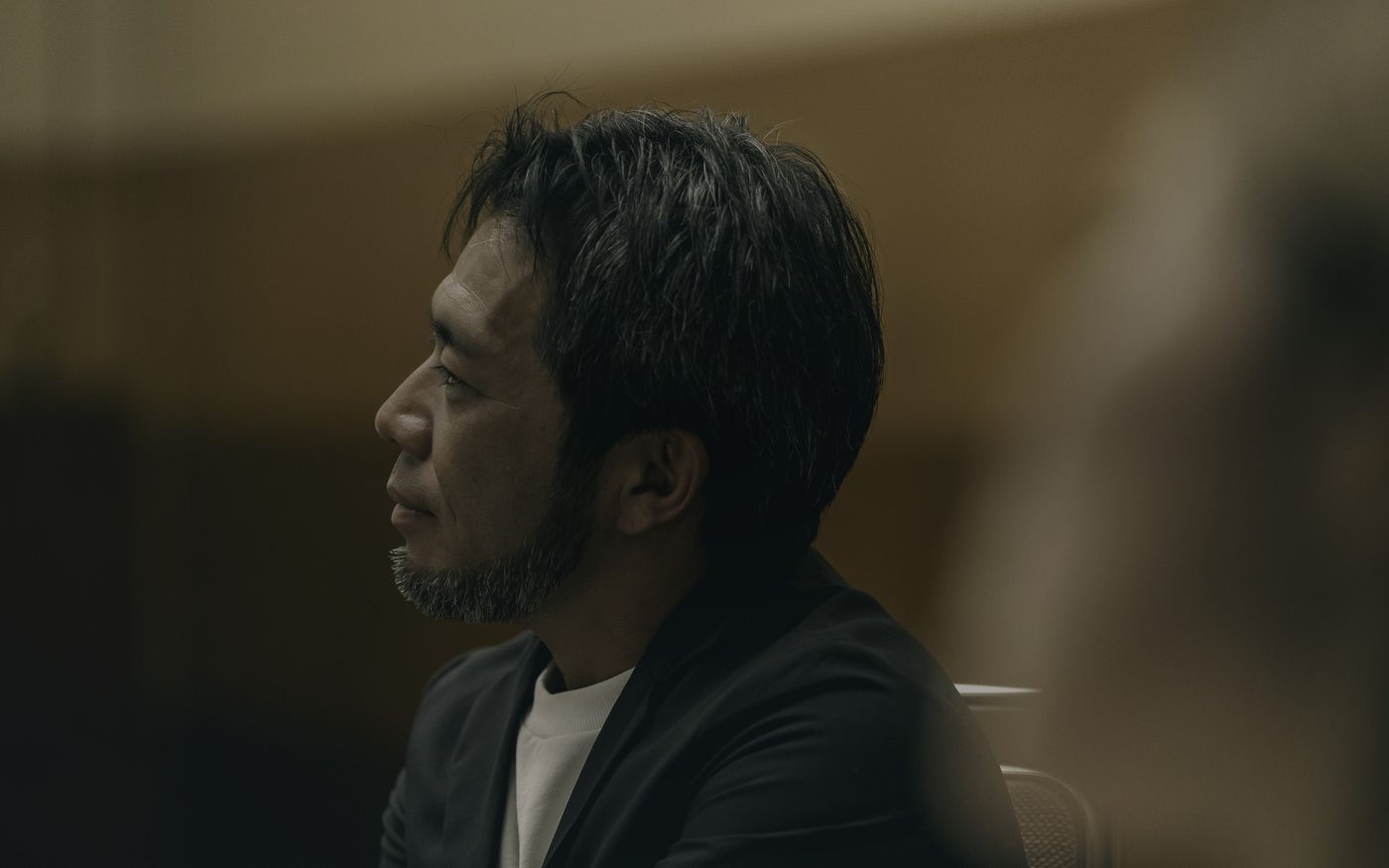
Written by Akira Kariya — 25+ years in the outdoor & apparel industry. Retail, corporate sales, and brand management before founding Replacements to help overseas and domestic brands enter and grow in Japan.
Beyond market commentary, we offer hands-on execution support tailored to your brand's situation.